Stretch marks 101. Minus the bullsh*t.
Stretch marks are one of the most searched skin concerns in India.
And yet most of what women find when they look for answers is either dismissive — "they're natural, embrace them" — or misleading — "this cream will remove them in 2 weeks."
Neither of those is actually useful.
So here's what stretch marks actually are, why they happen, and what the science says about supporting them.
What Are Stretch Marks?
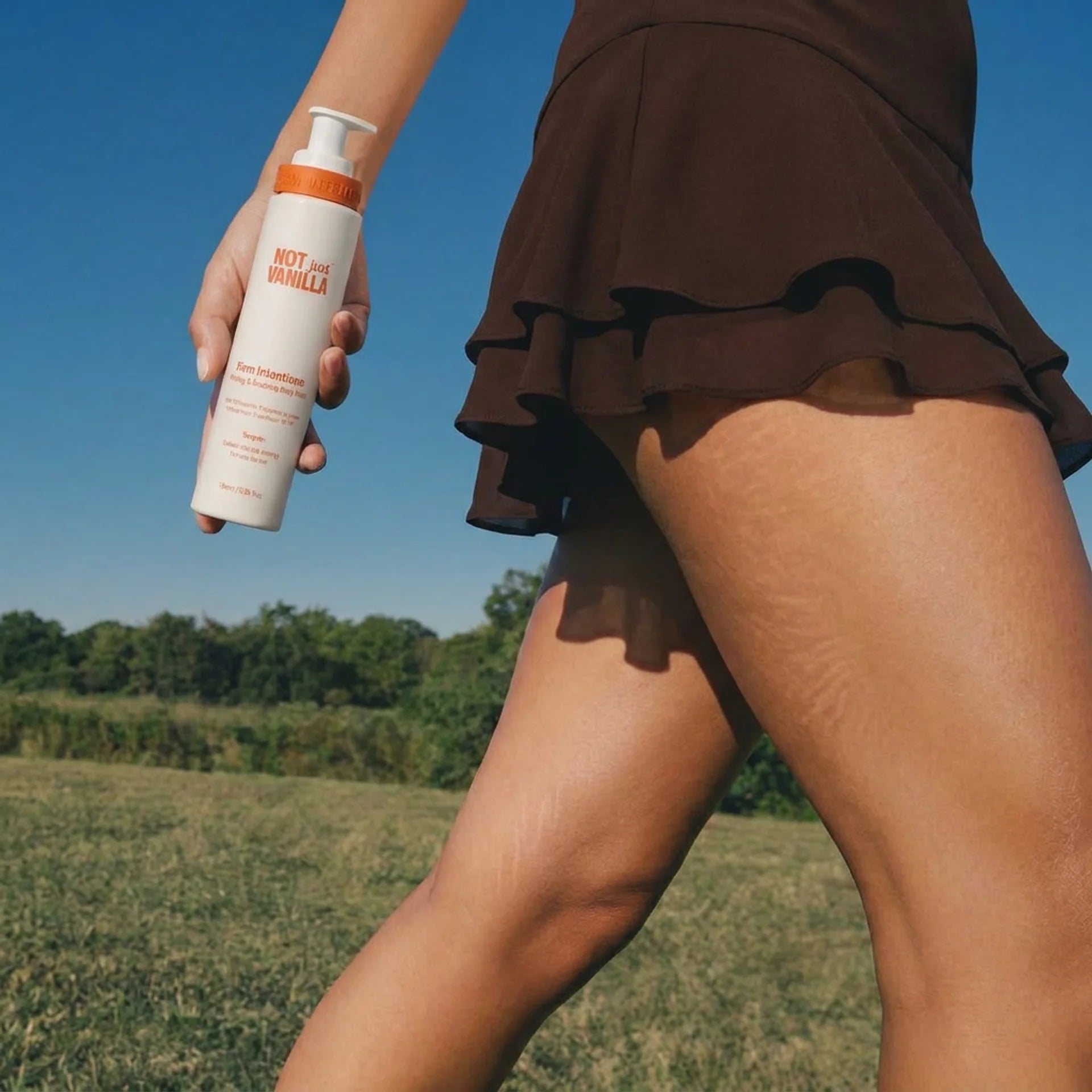
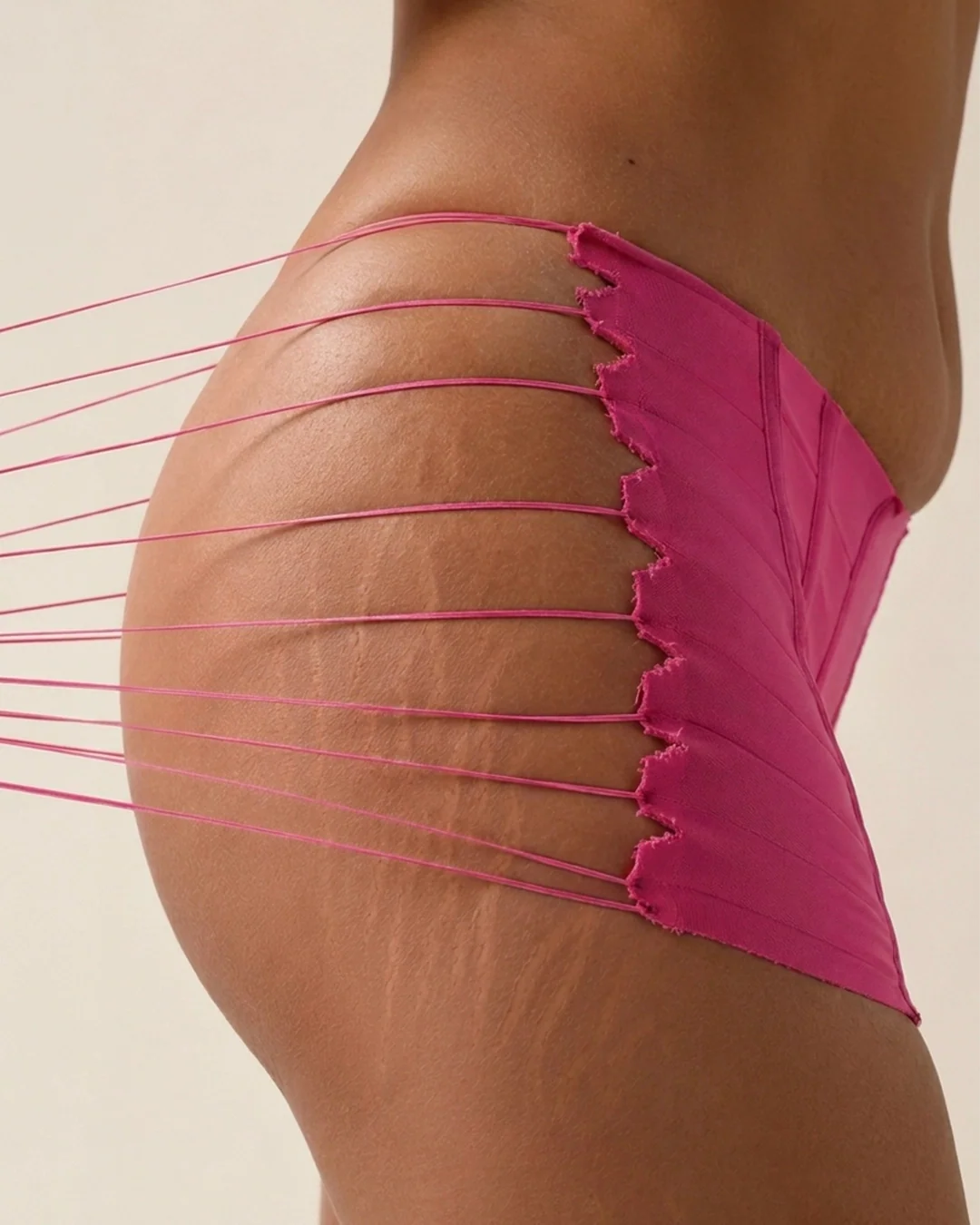
Stretch marks — medically called striae — are a form of scarring that happens in the dermis, the deeper structural layer of your skin.
When skin is stretched faster than it can adapt, the collagen and elastin fibres that give skin its structure begin to tear. Those micro-tears are what you see as stretch marks.
They are not a surface concern. They are not a moisturisation concern. They are a structural skin concern — and that distinction matters enormously when you're choosing how to treat them.
Why Do Stretch Marks Happen?
The most common causes in India:
Pregnancy — the most frequent trigger. Skin stretches rapidly across the abdomen, hips, breasts, and thighs, often faster than the skin's elasticity can keep up with. Between 50–90% of pregnant women develop stretch marks.
Puberty — rapid height and weight gain during teenage years causes stretch marks on thighs, hips, buttocks, and breasts. Often overlooked because it happens so young and so quietly.
Weight fluctuation — gaining or losing weight quickly puts significant stress on skin structure, particularly around the abdomen, arms, and thighs.
Hormonal changes — cortisol, the stress hormone, weakens elastic fibres in skin. This is why stretch marks can appear even without dramatic weight change — hormonal shifts alone can compromise elasticity.
Genetics — if your mother or grandmother had stretch marks, your skin is more likely to develop them too. Genetics affects how your skin produces and maintains collagen and elastin.
Red Stretch Marks vs White Stretch Marks — What's the Difference?
This is one of the most commonly searched questions — and one of the most important.
Red or purple stretch marks (Striae Rubrae) are new. The blood vessels beneath the skin are still visible, which is why they appear red, pink, or purple. They may feel slightly raised or itchy. Because they're newer, they're more responsive to treatment — this is the window where consistent care with targeted actives can make the most visible difference.
White or silver stretch marks (Striae Albae) are older. The blood vessels have faded, and the area has essentially become scar tissue. They're flat, slightly indented, and lighter than surrounding skin. They're harder to treat — but not untreatable. Supporting skin structure, hydration, and elasticity consistently over time can improve their texture and tone even at this stage.
The most important thing: the earlier you start, the more you can influence the outcome.
What People Search For (and What Actually Works)
"Does coconut oil remove stretch marks?" No. Coconut oil is a surface-level emollient — it hydrates the top layer of skin and helps with softness. It cannot penetrate to the dermis where stretch marks form. It has no clinical evidence for reducing stretch mark appearance. It is not a treatment.
"Does vitamin E work on stretch marks?" There's no strong clinical evidence that topical Vitamin E significantly improves stretch marks. It may support skin softness and surface moisture, but it doesn't address the structural damage that causes stretch marks.
"Can stretch marks be removed completely?" Stretch marks are scar tissue. Complete removal is not currently possible with topical products. However, significant improvement in texture, colour, and visibility is achievable with the right clinically studied actives used consistently over time.
"What cream actually works for stretch marks in India?" Look for products with actives specifically studied for stretch-prone skin — not just general moisturisers with "stretch mark" on the label. The ingredient, not the claim, is what matters.
The Ingredients That Are Actually Clinically Studied for Stretch Marks
Striover™ — a clinically studied active specifically designed for stretch-prone skin, shown to improve texture, elasticity, and the visible appearance of stretch marks over time. This is what targeted stretch mark care actually looks like.
Exo-T™ — a biotech ferment that supports elasticity and skin resilience, particularly effective during periods of hormonal change and stretching.
Drieline® — supports long-lasting barrier hydration, essential for keeping skin supple and better able to adapt to change.
These are not generic ingredients. They are actives with clinical studies behind them, designed specifically for body skin concerns — which is precisely why they are in NJV's Elastic Energy formulation.
When Should You Start?
Before stretch marks appear, if possible. The best time to support skin elasticity is before skin is put under significant stress — during pregnancy planning, early in a weight change journey, during puberty if you can.
As soon as you notice red stretch marks. This is the most effective treatment window. Don't wait for them to turn white.
Even if stretch marks are white and old. Consistent use of targeted actives still improves texture, tone, and skin resilience over time. It's never too late to start supporting your skin properly.
Frequently Asked Questions
Are stretch marks permanent? They are long-term — but their appearance can be significantly improved with consistent use of clinically studied actives. They do not disappear completely, but texture, colour, and visibility can all improve.
Can men get stretch marks? Yes. Stretch marks are not exclusive to women or pregnancy. Rapid muscle gain, weight fluctuation, and growth spurts cause stretch marks in men too.
Are stretch marks harmful? No. They are entirely cosmetic. But the psychological impact of stretch marks — particularly postpartum — is very real and very valid, which is why effective, honest body care matters.
What's the difference between a stretch mark cream and a stretch mark treatment? Most "stretch mark creams" on the market are moisturisers with the label. A true stretch mark treatment contains actives clinically designed to address the structural skin changes stretch marks involve — not just hydrate the surface.
Is laser treatment the only effective option? Laser treatment can be effective, particularly for newer stretch marks, but it is expensive, requires multiple sessions, and is not accessible for most people. Consistent topical care with the right actives is a clinically supported alternative that can be maintained long-term.
Stretch marks are not a failure. They are skin doing its best under real pressure.
But you deserve more than being told to just accept them — and more than products that promise removal and deliver nothing.
Targeted body care that actually works. That's what NJV is built for.
Explore Elastic Energy — Skin Revitalizing Lotion →